




















































































































































































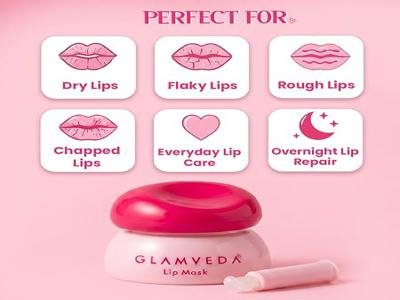
GLAMVEDA Lip Mask: Overnight Hydration for Soft, Smooth and Healthy-Looking Lips
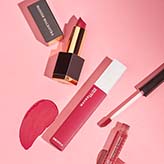
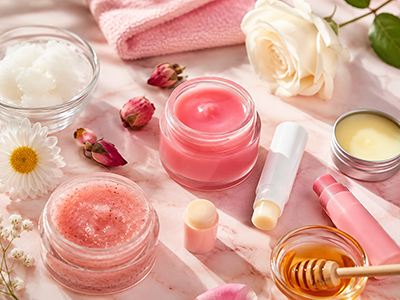
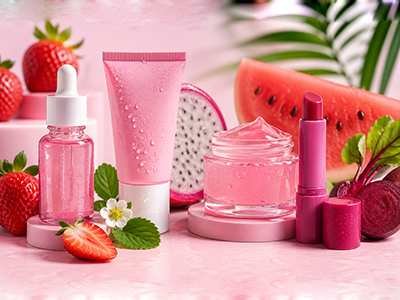
Give your lips the care they deserve with the GLAMVEDA Lip Mask, a nourishing addition to your daily beauty and skincare routine. Designed for dry, flaky, rough, and chapped lips, this lip mask helps provide essential moisture and leaves your lips feeling softer, smoother, and more comfortable. Its rich, glossy texture makes it a lovely choice for overnight lip care, helping maintain moisture while you sleep.Whether your lips feel dry due to changing weather, air conditioning, or everyday environmental exposure, adding a hydrating lip mask to your skincare routine can help improve their overall feel and appearance. Apply it before bedtime and make lip care a relaxing part of your nighttime self-care ritual.
1. Deep Hydration and Moisture Care
Help replenish moisture and keep dry lips feeling soft and comfortable. A hydrating lip mask is an excellent addition to a routine focused on maintaining smooth, moisturised lips.
2. Care for Dry and Chapped Lips
Designed for lips that feel rough, flaky, or dehydrated, this lip mask helps improve softness and comfort with regular use.
3. Convenient Overnight Lip Treatment
Apply the mask before sleeping to give your lips extra moisture overnight. Wake up to lips that feel refreshed, smoother, and well-conditioned.
4. Smooth and Glossy Finish
The rich lip-mask texture leaves a glossy appearance, making lips look moisturised and naturally supple without needing a separate gloss for a simple, polished look.























































.jpg)
.jpg "Top Beauty Products Under ₹500")